Water That Moves Where It Should
Drainage and Water Runoff Solutions in Batesburg for properties experiencing pooling, foundation threats, or landscape saturation
Standing water that persists for hours or days after rainfall signals that your property lacks the grading or subsurface infrastructure needed to move water away from structures and planting areas. Terramark Environmental LLC plans and installs drainage solutions that address water flow across Batesburg properties, where clay soils limit natural infiltration and storm intensity can overwhelm inadequate systems. You'll notice the difference when rain no longer leaves your lawn submerged or water pooling against your foundation.
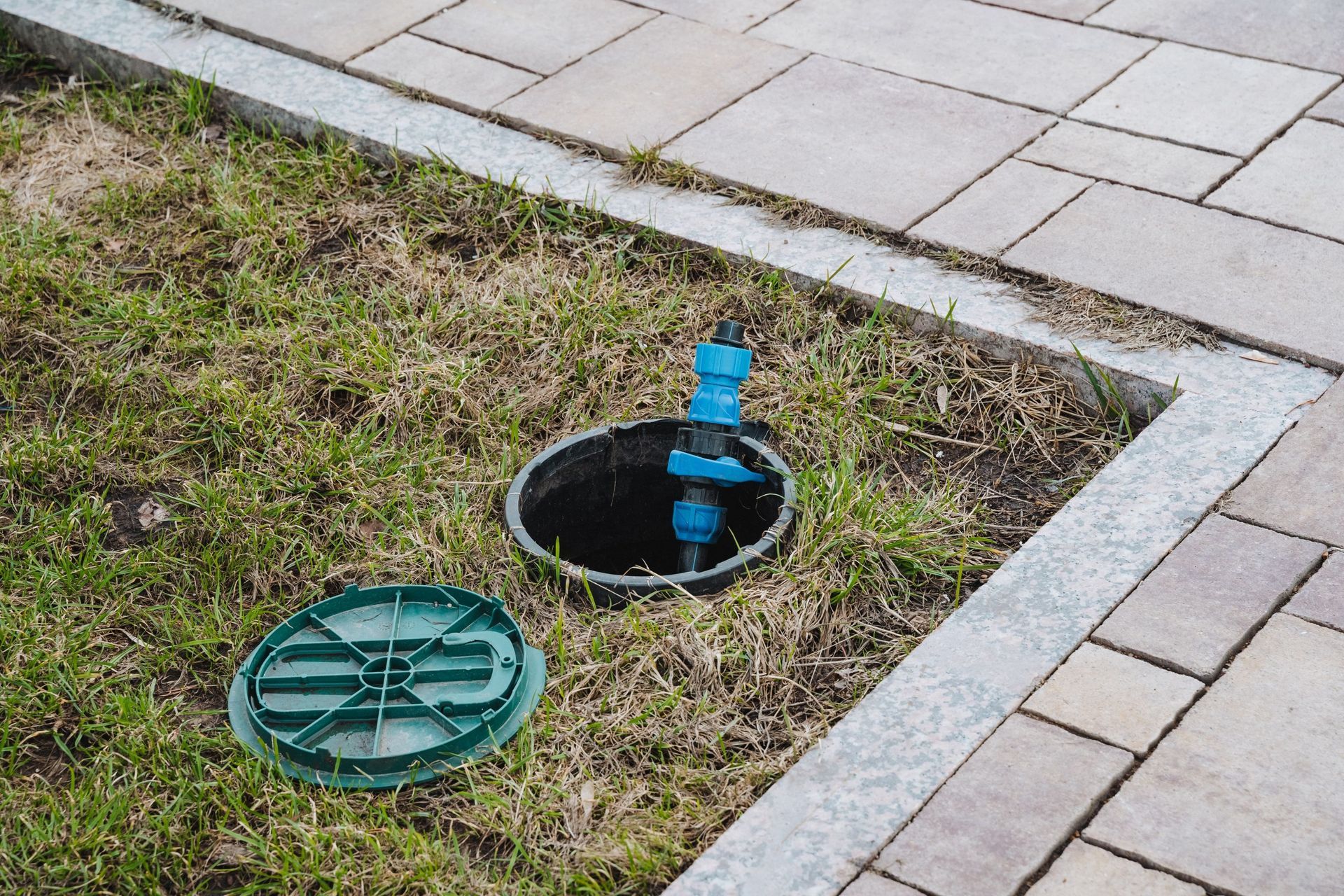
The work begins with analyzing how water currently moves across your land—identifying low spots, tracking runoff paths from higher elevations, and measuring how quickly soil absorbs or sheds water. Solutions often combine surface grading to redirect flow, French drains to capture and channel subsurface water, and dry wells to disperse runoff into deeper soil layers where it can't cause damage.
Arrange an on-site assessment to map your property's drainage challenges and determine the most effective combination of systems.
How Drainage Systems Address Runoff Problems
Effective drainage separates water management into surface and subsurface components, with grading controlling where water flows above ground and French drains intercepting groundwater that would otherwise saturate soil or migrate toward foundations. Dry wells provide a discharge point for collected water, allowing it to disperse gradually into surrounding soil rather than creating new problem areas elsewhere on your property.
After installation, your lawn dries faster following storms, and planting beds no longer develop the yellowing or root rot that accompanies prolonged saturation. Hardscapes remain stable without the undermining that occurs when water erodes soil beneath pavers or concrete, and foundation walls stay dry because water is diverted before it can accumulate.
Drainage solutions are often installed as part of broader landscape improvements, meaning the work may include regrading for new sod installation, integrating retaining walls that double as drainage barriers, or coordinating with erosion control measures on sloped properties. The scope depends on whether you're addressing isolated problem areas or redesigning water management across the entire site.
Property owners in Batesburg often have similar questions about how drainage systems function and what results to expect from properly installed infrastructure.
Answers to Frequent Service Questions
What happens during a drainage system installation?
Installation involves excavating trenches for French drains or dry wells, placing perforated pipe surrounded by gravel to capture and channel water, then backfilling and restoring the surface. Surface grading may be adjusted simultaneously to direct water toward drainage inlets and away from vulnerable areas.
How do I know if my property needs subsurface drainage?
Subsurface drainage becomes necessary when surface grading alone cannot move water quickly enough, often indicated by soggy soil that persists days after rain, water seeping into basements or crawl spaces, or recurring soft spots in lawns and beds. Properties with heavy clay soil or high water tables typically require subsurface solutions.
Why does water pool in certain areas after it rains?
Pooling occurs when soil compaction, clay content, or local topography prevents water from infiltrating or flowing to lower elevations. Low spots created by settling, construction, or natural terrain collect runoff faster than the ground can absorb it, requiring either regrading or subsurface drainage to resolve.
How does drainage work interact with existing landscaping?
Drainage installation may temporarily disturb turf and planting beds along trench lines, but proper restoration returns those areas to functional condition. Terramark Environmental LLC coordinates drainage work with landscape features to minimize disruption and integrates new systems with existing hardscapes and irrigation.
What maintenance does a drainage system require?
Drainage systems require periodic inspection of inlet grates and outlet points to remove leaves, sediment, or debris that could obstruct flow. French drains and dry wells generally function for decades without intervention as long as runoff entering the system is relatively clean and the surrounding soil remains stable.
Terramark Environmental LLC delivers drainage solutions designed for reliable, long-term performance across central South Carolina's soil and climate conditions. Schedule a property walkthrough to discuss your specific runoff concerns and explore options tailored to your landscape.